Science
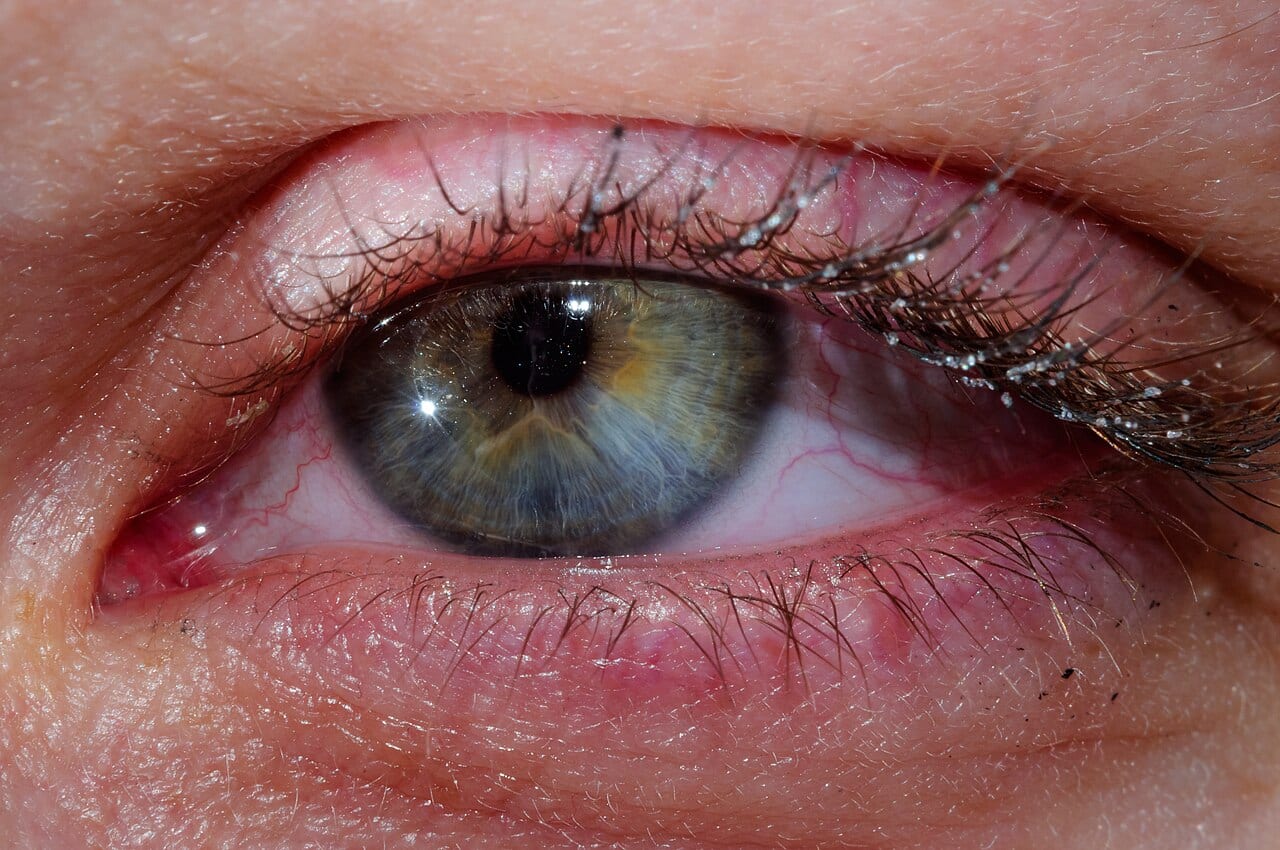
Doctors Help a Woman See Again
Doctors in Italy did a new eye operation and a woman can see.
Real news in easy English for children. Short sentences, friendly words, a picture, and a question to think about. No scary stories — every one is checked first.
Doctors in Italy did a new eye operation and a woman can see.
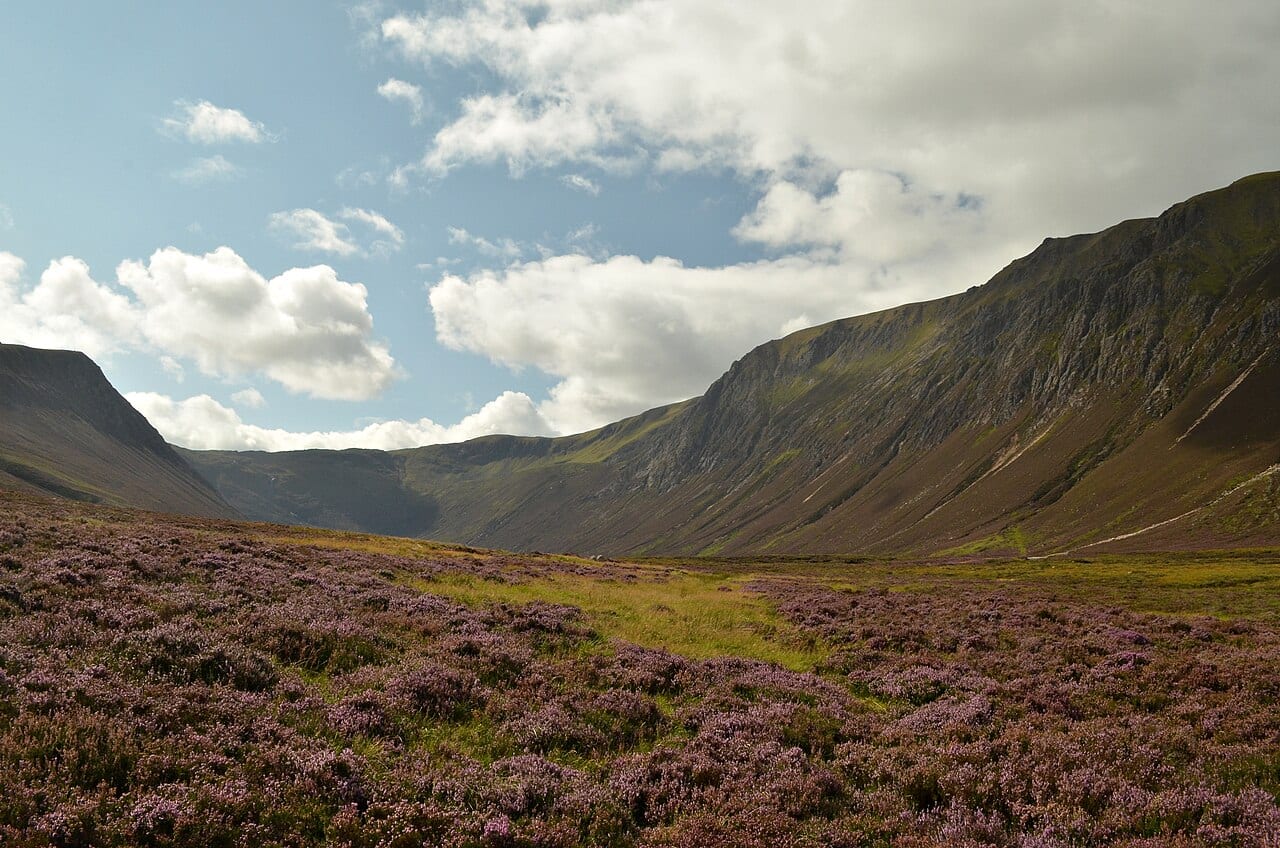
Nature experts in Scotland are making clever plans to keep wild land safe.
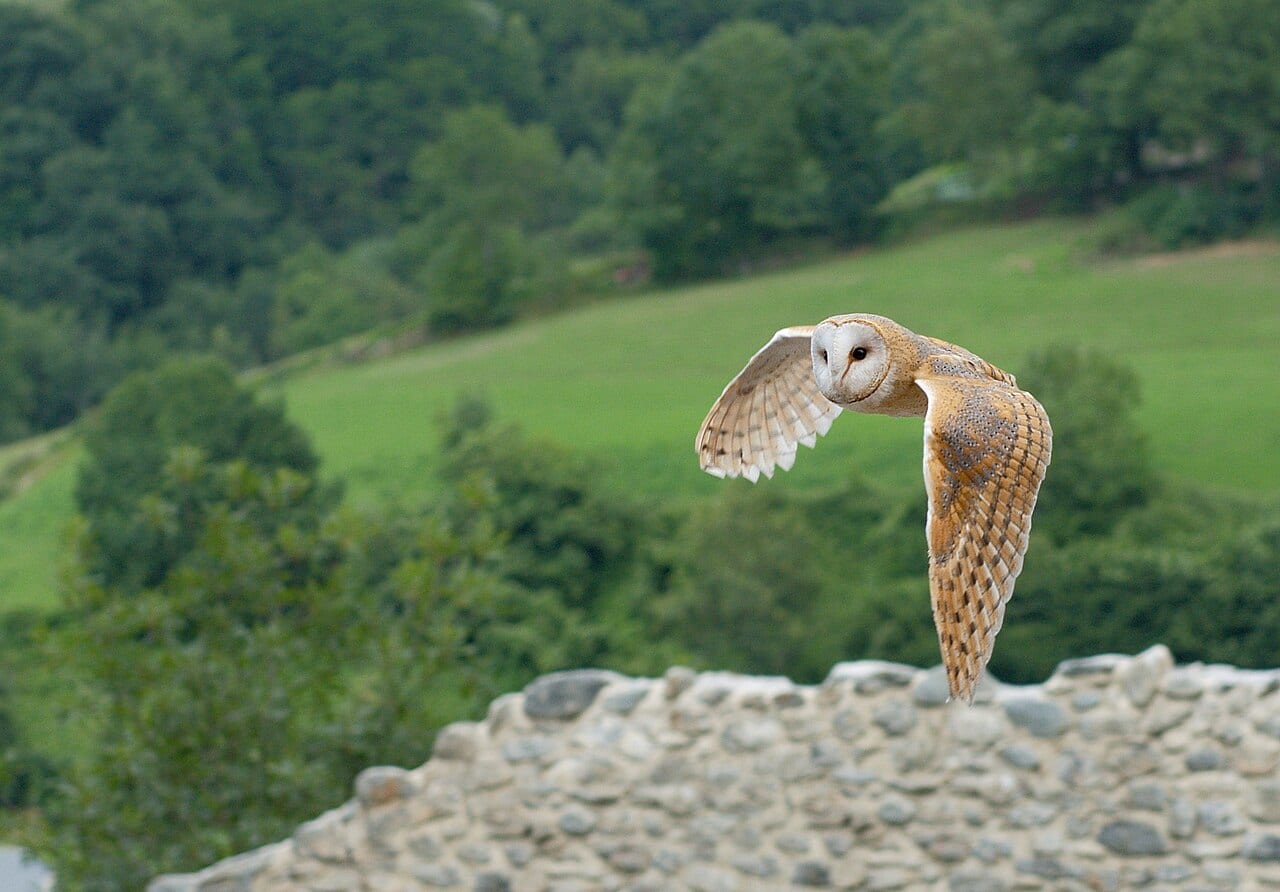
Ten barn owl chicks have hatched in County Fermanagh, the first in 50 years.
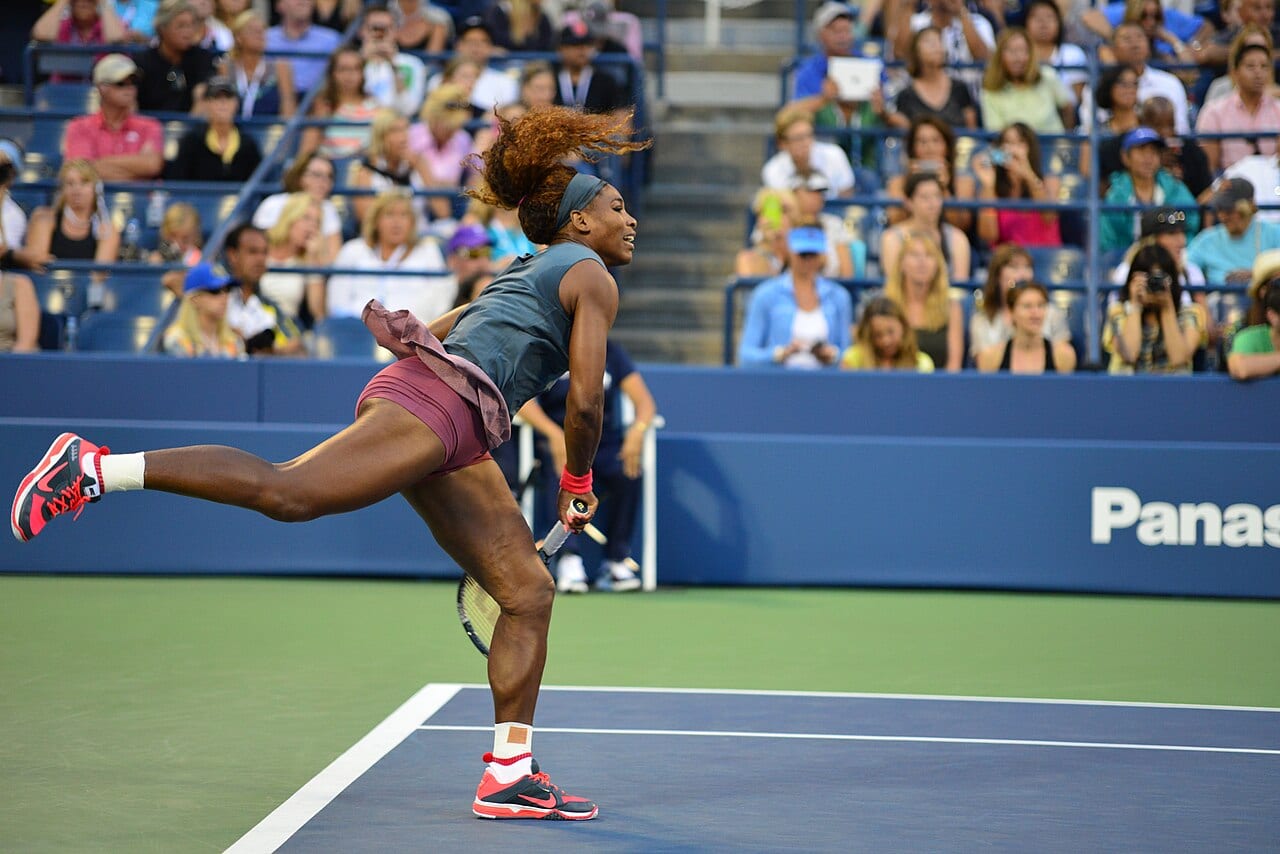
Serena Williams played tennis again with young star Carlos Alcaraz in New York.

Songs made mostly by computers can no longer join Australia's music charts.
No stories on this topic yet — try another one.
Every story on English Newsroom is checked twice before it can appear on this page. A word filter removes anything about death, violence, crime, war, politics, money markets or adult topics. Then our editor reads the story and only publishes it for kids if it is cheerful, safe and easy to follow. That is why most stories here are about animals, nature, space, science, sport, inventions and kind people.
The facts never change between versions. Grown-ups can read the same story at A1, A2 or B1 — the link is at the bottom of every kids page.
Children aged about 7 to 11 who are learning English, and younger native speakers who want short, real news. Every sentence has ten words or fewer, and the hard words are explained under the story.
Every story on English Newsroom is checked twice before it can appear here. First a word filter removes anything about death, violence, crime, war, politics, money markets, drugs or adult topics. Then our editor reads the story and only publishes it for kids if it is cheerful, safe and easy to understand. Most days that means animals, nature, space, science, sport, inventions and kind people.
Yes. Each one is a real news event reported by a named source such as the BBC or the Guardian, rewritten in simple English. We never add facts, and the grown-up versions of the same story (A1, A2 and B1) are linked at the bottom of every kids page.
The photos are openly licensed pictures from Wikimedia Commons that show the subject of the story — an animal, a place, a rocket — not the exact event. The photographer and licence are named under every picture. When we cannot find a good open photo we show a simple picture card instead.
Please do. A kids story, its word list and the question at the end make a ten-minute reading activity for young learners. See our page for teachers for a full lesson plan built on the grown-up versions.