The Island School Where Girls Learn to Be Leaders
On Gorée Island in Senegal, talented girls from all over the country learn to speak up and dream big
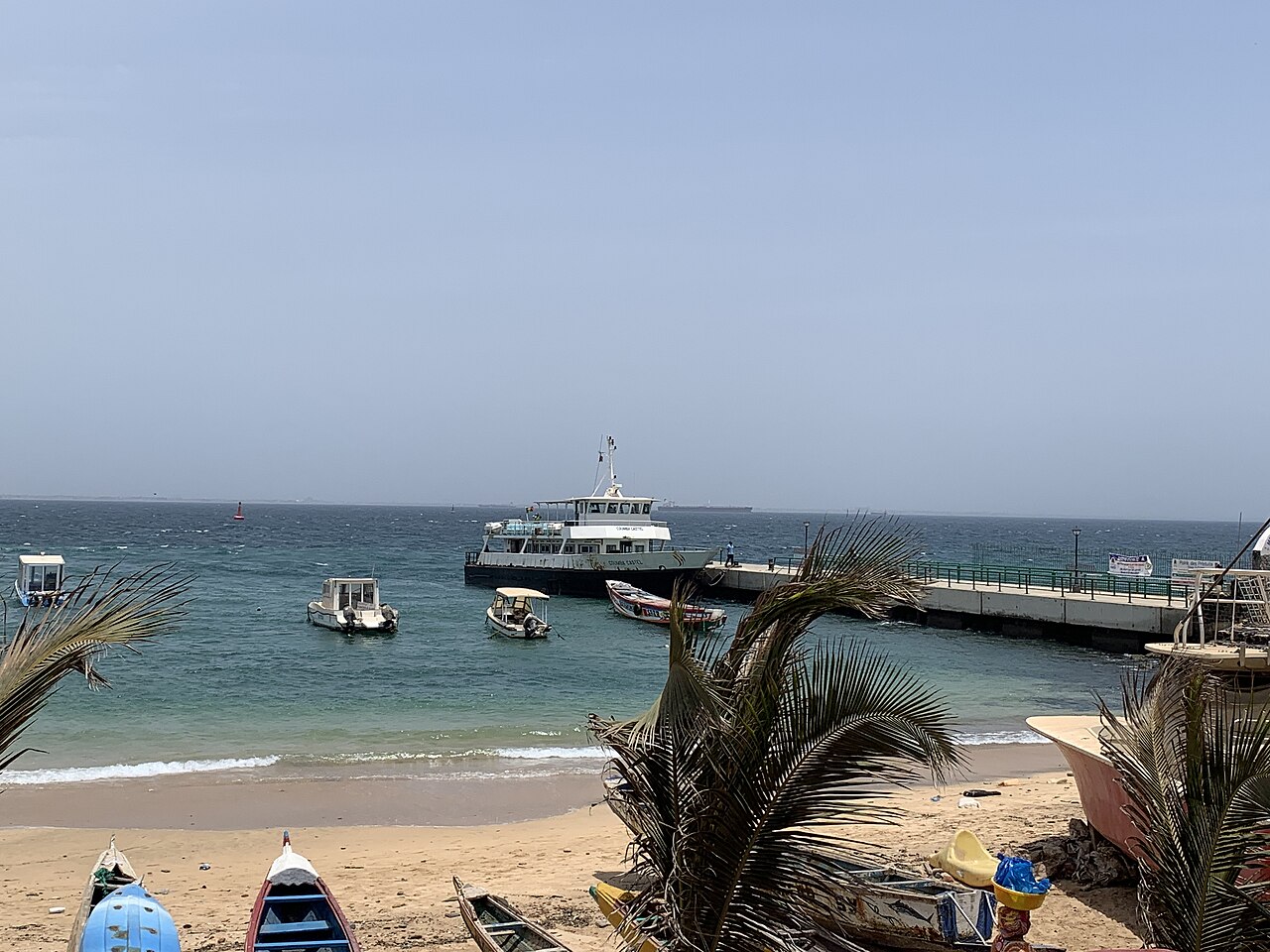
Gorée is a small island in Senegal, in West Africa. The boat from Dakar takes about 20 minutes. On this island there is a special school. It is a school only for girls.
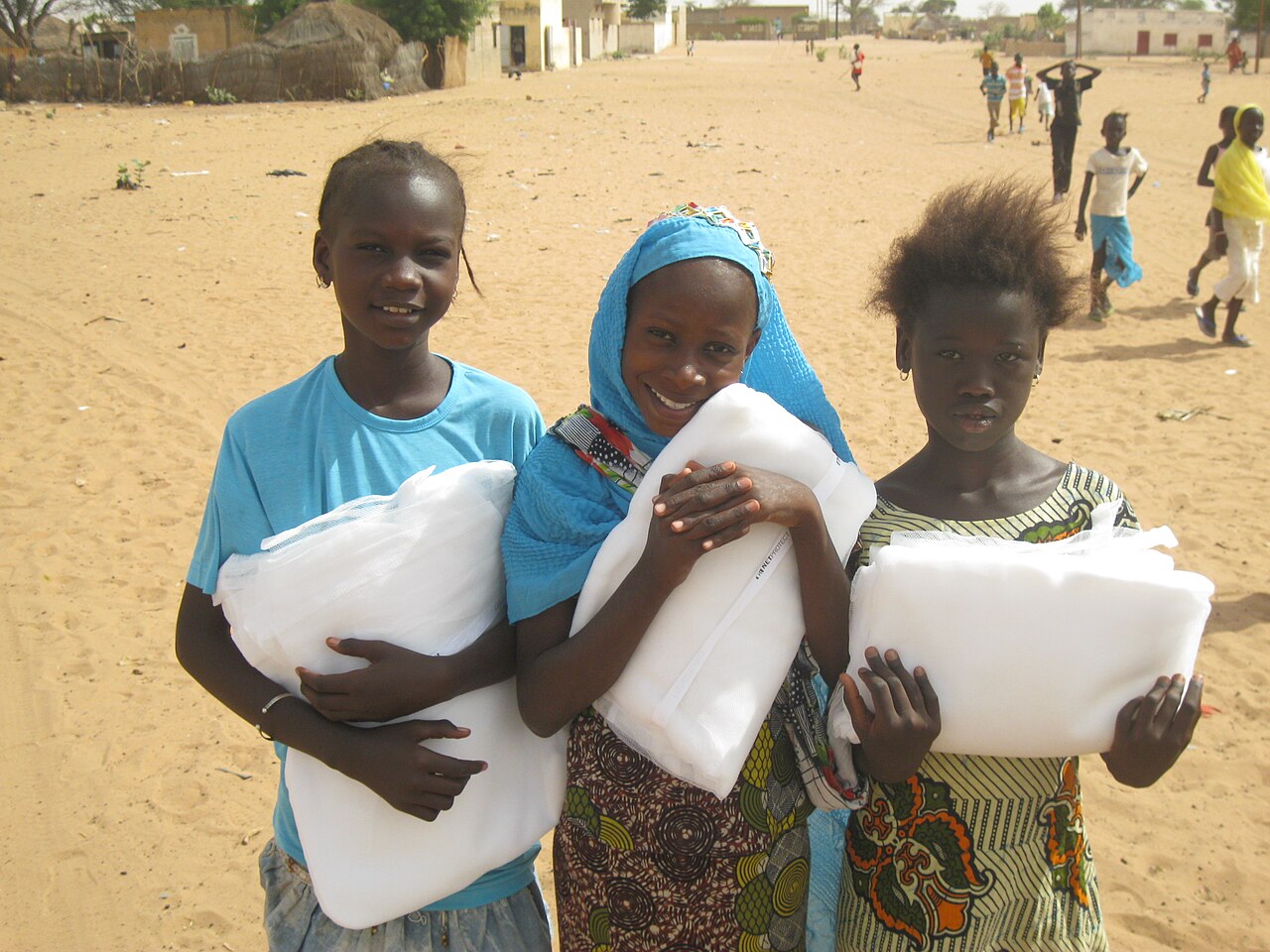
The girls in this school are very good learners. They come from all parts of Senegal. Many come from small villages far away. The girls live and sleep at the school. This is called a boarding school.
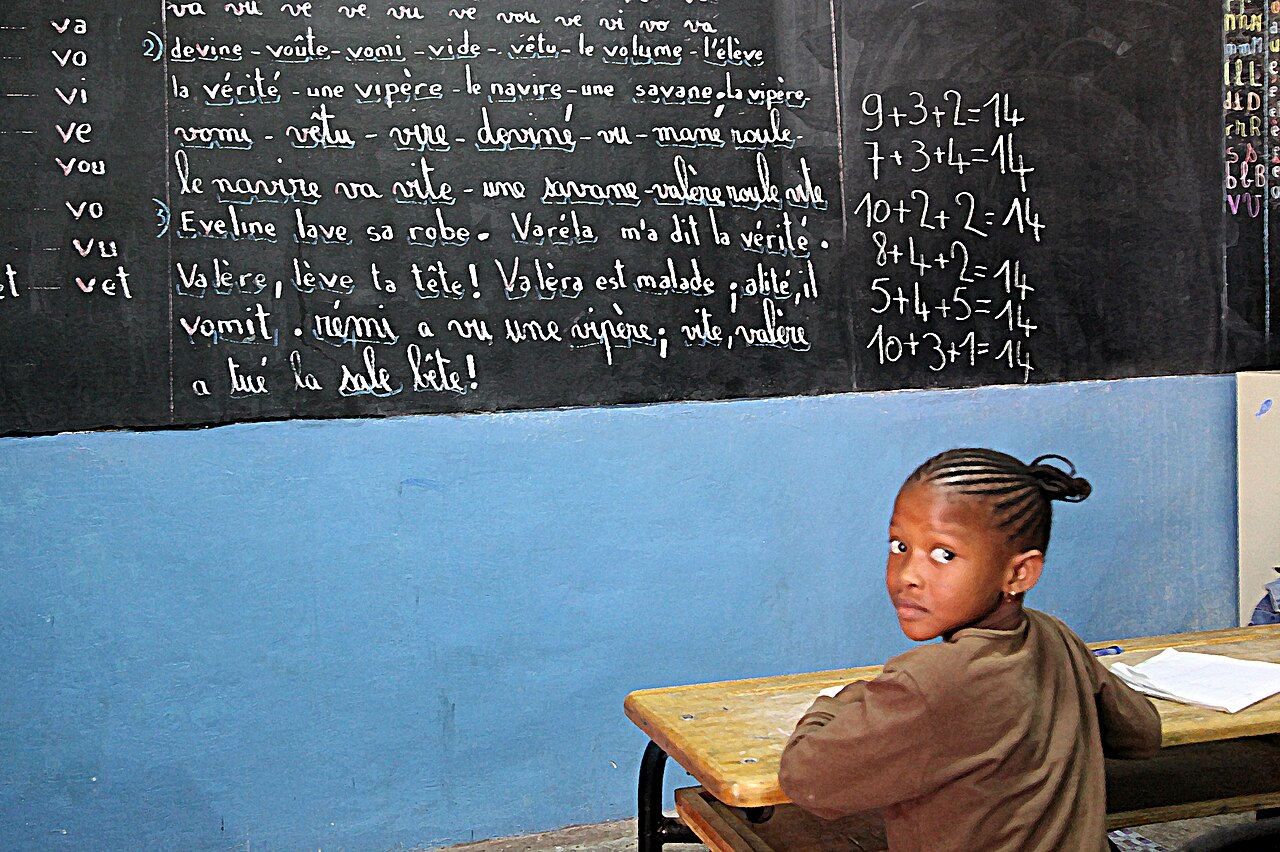
The students learn maths, science and languages. But they learn more. They learn to speak in front of many people. They learn to lead a team. They learn to believe in themselves.
In some villages, people think girls should only help at home. They think school is not important for girls. This school shows a different way. The girls can become doctors, engineers or teachers.
The school is named after Mariama Bâ. She was a famous writer from Senegal. She wanted all girls to go to school. Today her dream lives on this little island.
Understood everything? Read this story at A2.
On a Small Island in Senegal, a School Turns Girls into Leaders
A boarding school on Gorée Island takes talented girls from villages across Senegal and teaches them confidence as well as maths
A short boat ride from Dakar, the capital of Senegal, lies Gorée Island — a small, car-free island with old colourful houses. It is also home to one of the country's most famous schools: a boarding school where talented girls learn to become leaders.
The students are chosen because of their excellent school results. They come from every part of Senegal, and many grew up in small villages far from the capital. Because the school is a boarding school, the girls live, eat and study together on the island, like one big family.
The lessons are demanding: mathematics, science, languages and literature. But the school teaches more than school subjects. The girls practise speaking in front of a room, they debate, they organise events and they help younger students. Step by step, they build confidence.
That confidence matters. In some communities, families still expect a girl to marry early and work at home instead of finishing school. This school wants to show that a girl can do both what she loves and what her country needs — as a doctor, an engineer, a teacher or a business owner.
The school carries the name of Mariama Bâ, one of Senegal's most famous writers. She wrote about the lives of women and fought for girls' education. Journalists from the Associated Press visited the island and described proud students who want to change their country.
Gorée Island is known around the world for its history, and UNESCO protects it as a World Heritage site. Now the island is also known for something that points to the future: a school full of girls who are learning to lead.
Understood everything? Read this story at B1.
On Senegal's Gorée Island, a Boarding School Teaches Girls to Lead
Talented students from across Senegal — many from rural villages — study, debate and build confidence at a school named after the writer Mariama Bâ
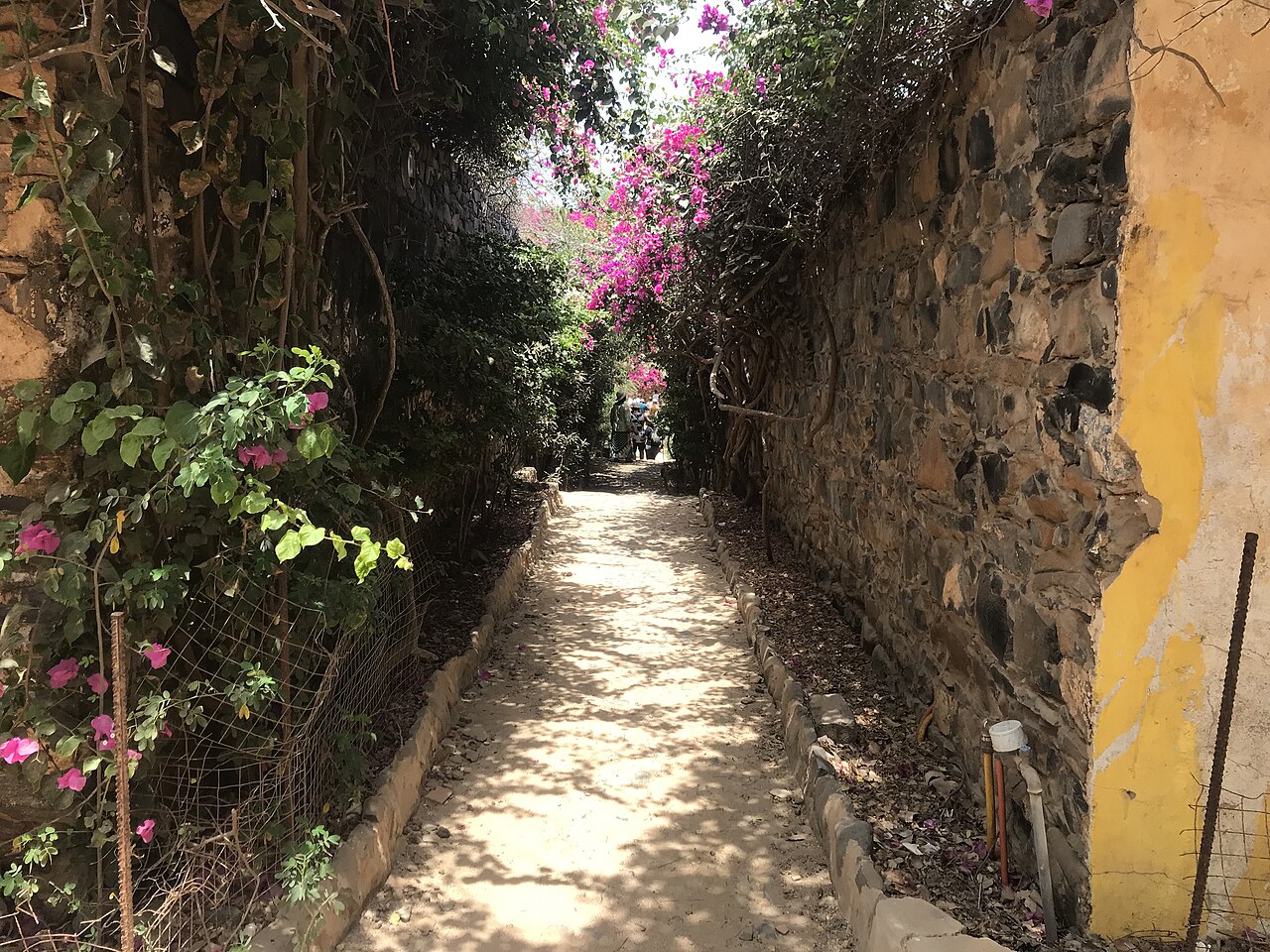
About 20 minutes by ferry from Dakar lies Gorée Island, a car-free island of colourful colonial houses and flowering lanes that UNESCO protects as a World Heritage site. The island is known worldwide for its painful history in the Atlantic slave trade. Today it is also home to a quieter story of change: a boarding school where Senegal's most talented girls are trained to become leaders.
The students earn their places through excellent exam results, and they arrive from every region of the country. Many grew up in rural communities where classrooms are crowded, electricity can be unreliable and, too often, girls are still expected to leave school early, marry and take care of the home. For them, the school is a life-changing opportunity.
Life on the island is disciplined. The girls live in dormitories, wear uniforms and follow a demanding timetable of mathematics, sciences, languages and literature. But teachers say the most important lessons happen beyond the blackboard: students run clubs, organise debates, speak in front of large audiences and mentor younger girls. The goal, they explain, is not only knowledge but confidence — the belief that a girl from a small village can stand in front of any room in the world.
The school is named after Mariama Bâ, one of Africa's most celebrated authors. Raised in Dakar, she became a teacher and a powerful voice for women's rights, and her novels about the lives of Senegalese women are read across the continent. Naming the school after her was a message: education is the tool with which girls write their own stories.
Journalists from the Associated Press who visited the school describe students who speak openly about their ambitions — medicine, engineering, science, business and politics — and former students have gone on to lead in many of those fields. Graduates often return to visit, proof to the current students that the path is real.
Senegal, like many countries, still has a gap between boys' and girls' opportunities, especially in rural areas. A single school cannot close that gap alone. But on Gorée, every morning, hundreds of girls open their books believing that leading is normal — and carry that belief home to their villages, their country and beyond.
Too difficult? Read this story at A2 or at A1.