The Five Most Famous Board Games in the World
Chess, checkers, Monopoly, Scrabble and backgammon are played everywhere
People all over the world love board games. You need a board, some pieces and a friend. Here are the five most famous games.
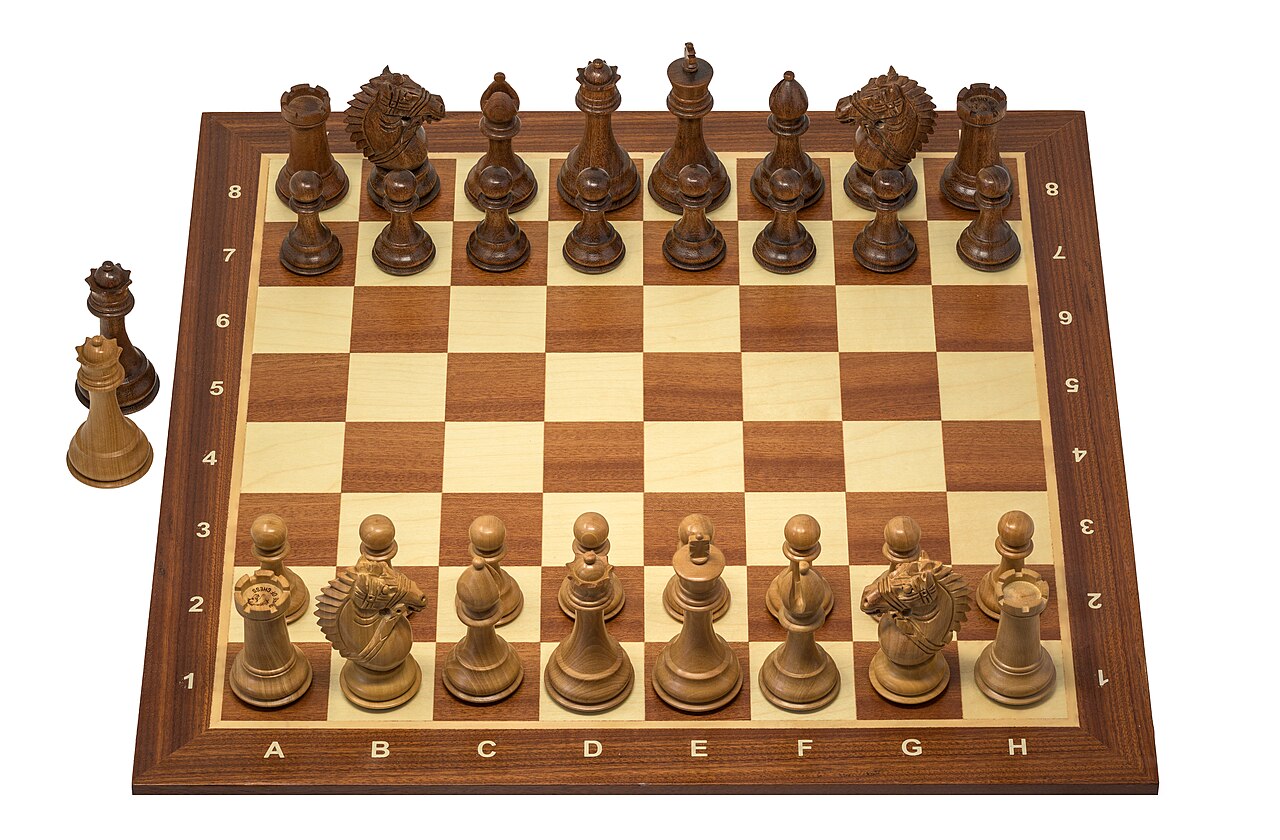
Number one is chess. Chess is about 1,500 years old. It comes from India. Two players move pieces on 64 squares. The queen is the strongest piece on the board. About 600 million people play chess today.
Number two is checkers. Some countries call it draughts. The pieces are small round discs. You jump over the other player's pieces. A piece at the end of the board becomes a king. A king is stronger. It is easy to learn.
Number three is Monopoly. In this game you buy streets and build houses. The game started in America in 1935. Today shops in more than 100 countries sell it. One game can take many hours. Many families play it on holidays.
Number four is Scrabble. It is a word game. You make words with small letter tiles. Long words give more points. Hard letters like Z and Q give the most points. It is a fun way to learn English.
Number five is backgammon. It is about 5,000 years old. It is one of the oldest games in the world. You roll two dice and move your pieces fast. Old and young people play it together in parks and cafés.
These games do not need a screen or a battery. You only need a table and a friend.
Understood everything? Read this story at A2.
Five Board Games the Whole World Knows and Loves
From 5,000-year-old backgammon to Monopoly and Scrabble, these games connect players in every country
Board games are one of the oldest kinds of fun. Long before phones and computers, people sat around a table and played with a board, some pieces and dice. Five of these games became famous all over the world.
Chess is often called the king of board games. It began in India about 1,500 years ago and slowly travelled to every part of the world. Two players fight a battle of ideas on 64 black and white squares, and about 600 million people play it today. The queen is the most powerful piece, and big matches are watched online by millions of fans.
Checkers, also called draughts, is much simpler than chess, so children often learn it first. Players move round discs and jump over each other's pieces. When a disc reaches the other side of the board, it becomes a "king" and can move backwards too. Because the rules are so easy, people of all ages can play together.
Monopoly is the most famous modern board game. It was first sold in America in 1935, and today you can buy it in more than 100 countries and many languages. Players buy streets, build houses and try not to lose all their play money. One game can take many hours, so families often save it for rainy days and holidays.
Scrabble is a game for word lovers. Players build words with letter tiles, and longer or harder words earn more points. Difficult letters like Z and Q are worth the most, so good players learn many short, unusual words. Many teachers use it in class because it is a fun way to grow your vocabulary.
Backgammon is the oldest game on this list. It is about 5,000 years old and began in the Middle East. Players roll dice and race their pieces around the board, so the game is fast and exciting. Because the dice add some luck, a beginner can sometimes beat an expert — that is part of the fun. In many countries people still play it in parks and cafés.
Understood everything? Read this story at B1.
The Five Most Famous Board Games in the World, from Chess to Monopoly
Backgammon is about 5,000 years old, chess has 600 million players, and Monopoly is sold in more than 100 countries — these five classics conquered the planet
Most games stay close to home, but a small number of board games have crossed every border and are recognised almost everywhere on Earth. These five classics — chess, checkers, Monopoly, Scrabble and backgammon — are played in homes, schools, parks and cafés on every continent.
Chess is widely considered the greatest board game of all. It developed from an Indian game called chaturanga about 1,500 years ago and spread through Persia and Europe to the rest of the world. Two players command their armies of pieces across 64 squares, and international studies suggest that around 600 million adults play regularly. The queen is the most powerful piece on the board, and since chess apps and online play took off, a whole new generation has learned the game on their phones. The best players compete for the title of world champion, and top matches are watched online by millions.
Checkers, known as draughts in Britain, is far older than many people think — versions of the game were played in the ancient world thousands of years ago. Its simple rules, in which round pieces jump over one another to capture them, make it many children's very first strategy game, and it is played in almost every country under different names. A piece that reaches the far side of the board is crowned a "king" and gains the power to move backwards, which turns the endgame into a fast chase.
Monopoly is the best-known board game of the modern age. First sold in the United States in 1935, during the Great Depression, it lets players buy streets, build houses and hotels, and charge each other rent in play money. It is now sold in more than 100 countries, has appeared in hundreds of special editions, and famous city streets from London to Tokyo have their own versions of the board. The mix of trading, luck and slow victory means one game can take many hours — one reason the game is famous for testing family patience.
Scrabble turns language itself into a competition. Invented by an American architect in the 1930s, the crossword-style game asks players to build words from letter tiles, with rare letters earning higher scores. High-value letters such as Z and Q can change a game completely, and tournament players memorise thousands of short, unusual words to score on a crowded board. Around 150 million sets have been sold, world championships are held in several languages, and many English teachers use the game to build their students' vocabulary.
Backgammon is the oldest game on the list. Boards similar to backgammon were used in Mesopotamia, in the modern Middle East, about 5,000 years ago, which makes it one of the oldest games humans still play. It mixes luck and skill: players roll dice and race their fifteen pieces around the board while trying to block their opponent. Because the dice add chance to every race, a confident beginner can sometimes beat a champion, and old and young happily play together. From Istanbul to Cairo, it remains a beloved café game today.
Why did these five games conquer the world while thousands of others were forgotten? They share the same secret: rules that are simple enough to learn in minutes, but play that is deep enough to enjoy for a lifetime — no screen, battery or download required.
Too difficult? Read this story at A2 or at A1.